Digital Humanities
Developing tools and methods to digitize artifacts and discover new knowledge in collections related to human rights and cultural legacies.
Research Projects
Opera on the Nation’s Stage
Principal Investigator(s): Jessica Grimmer
Funder: Music Library Association (MLA) Other Non-Federal
Research Areas: Archival Science > Data Science, Analytics, and Visualization > Digital Humanities
This project examines the history of opera in Washington, D.C., using digital humanities methods and a new “narrative bibliography” to map its artistic and cultural networks.
Quantum Choreobotics: Democratizing Quantum Computing Through Interactive Dance/ Theater Performance, With On-Body Robots
Principal Investigator(s): Bill Kules
Funder: UMD Funded
Research Areas: Data Science, Analytics, and Visualization > Digital Humanities > Health Informatics > Human-Computer Interaction > Machine Learning, AI, Computational Linguistics, and Information Retrieval
UMD researchers Bill Kules and Huaishu Peng are exploring quantum choreobotics, an interactive dance-theater performance where audiences influence robot movements to engage with quantum technology concepts. The project uses art and performance to make complex scientific ideas accessible and thought-provoking for the public.
Crowdsourced Data: Accuracy, Accessibility, Authority (CDAAA)
Principal Investigator(s): Victoria Van Hyning
Funder: Institute of Museum and Library Services
Research Areas: Accessibility and Inclusive Design > Archival Science > Digital Humanities > Information Justice, Human Rights, and Technology Ethics > Library and Information Science > Social Networks, Online Communities, and Social Media
CDAAA explores the sociotechnical barriers libraries, archives, and museums face in integrating crowdsourced transcriptions to discovery systems.
Faculty













Staff





Recent News
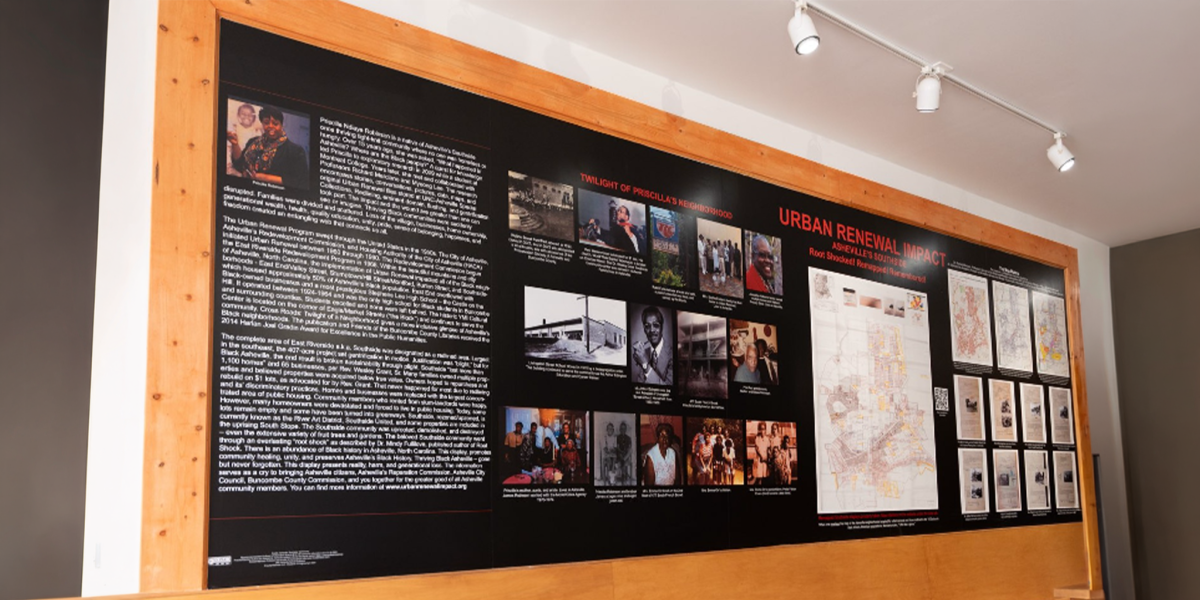
A mural in Asheville, North Carolina, depicts the history of the city's Southside neighborhood and the impact of urban renewal. Students in INFO's Computational Archival Science courses analyze archival records on that history.
INFO Students Learn to Use AI With Records They Know Best
MLIS student Jamila Hinds helps preserve and inventory decades of STEM media at NBLA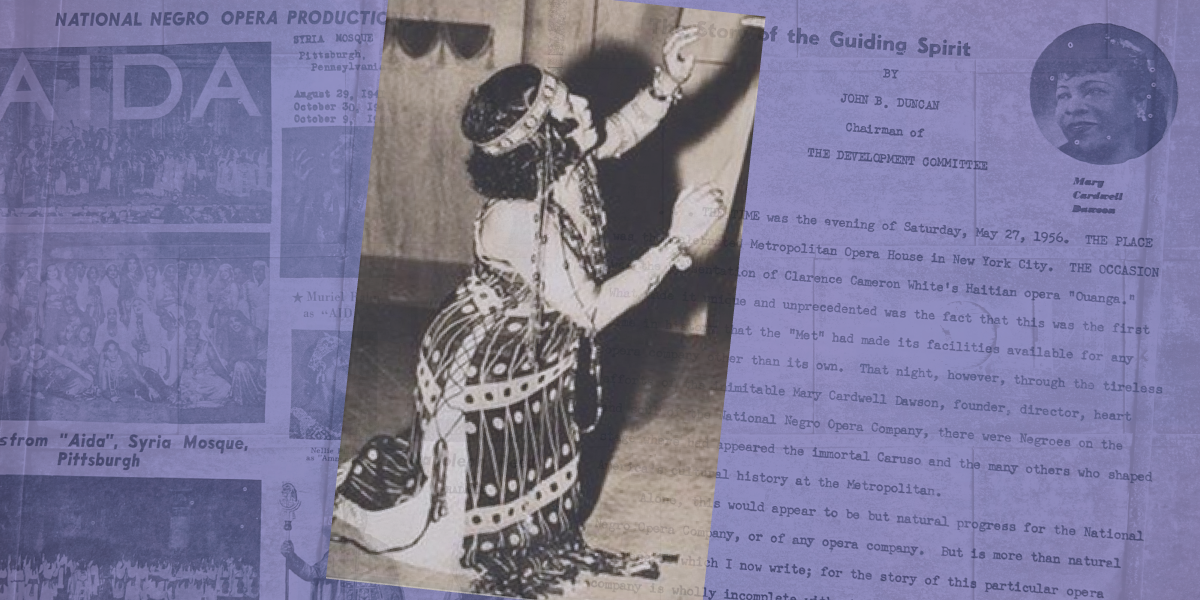
What Information Science Can Do for Opera History
MLIS student Jamila Hinds helps preserve and inventory decades of STEM media at NBLA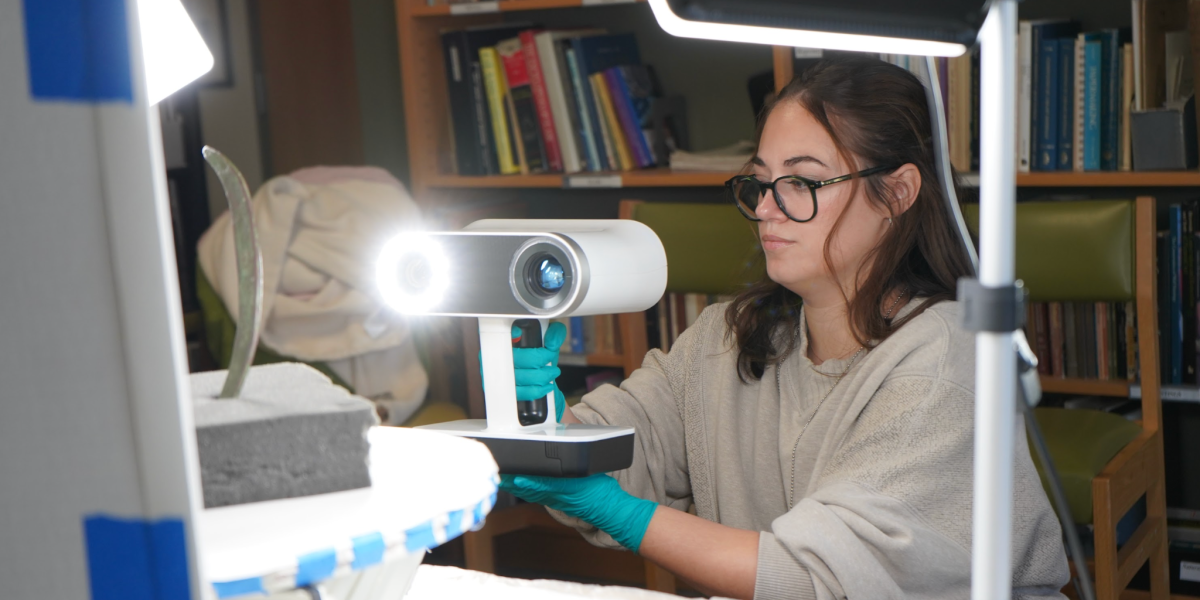
Abigail Hardy with a copper knife blade using the Artec LEO handheld scanner. Photo by Quint Gregory.